In my experience, court paperwork rarely gets held up over something dramatic. It gets held up over a middle initial that appears on one page and not another, a date that does not match the certificate, or a section left blank because nobody was sure what belonged there. Careful preparation is mostly about eliminating those small, avoidable snags.
Most Delays Start Small
When someone comes back to my Tucson office frustrated that their matter has stalled, the cause is usually something tiny. Two spellings of the same name. An address that changed halfway through. A page that was signed in the wrong place, or not signed at all.
None of those are dramatic mistakes. They are the ordinary result of filling out a stack of forms while you have a lot on your mind. But paperwork does not know that, and a small inconsistency can send you back to the beginning of a queue you already waited in.
What “Clear” Means on Paper
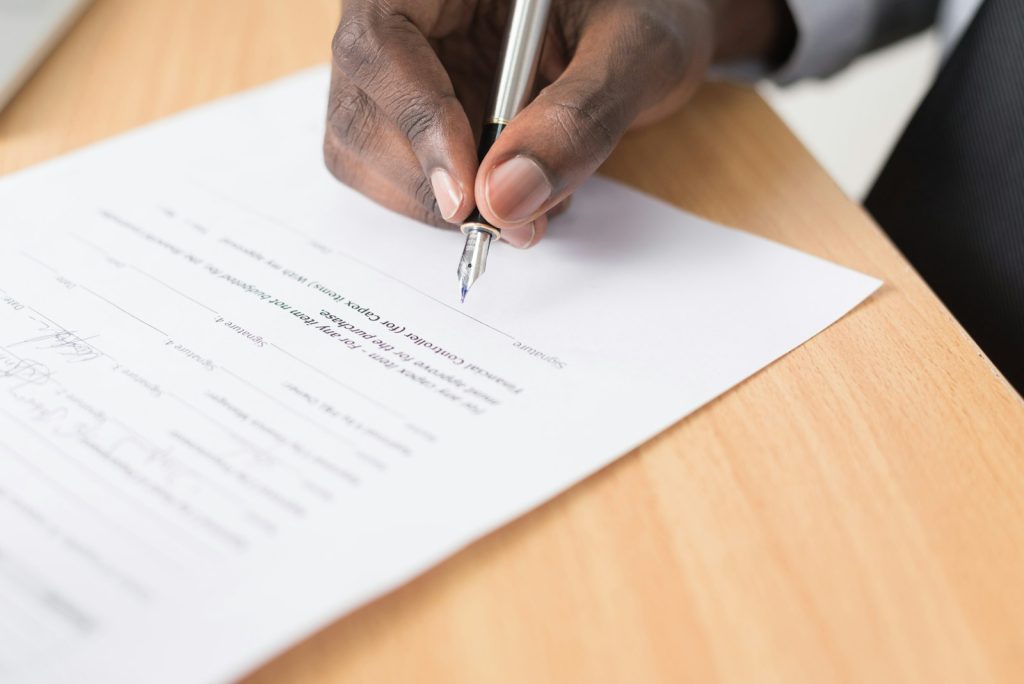
Clear preparation means a few specific things. Every name appears the same way on every page, matching your official records. Dates are consistent and match the documents they came from. Nothing is left blank by accident. Every page that needs a signature has a signature line you can actually find.
It also means the documents read as one coherent set rather than a pile of separately completed forms. When a clerk or a judge picks them up, nothing should make them stop and wonder which version of a detail is the right one.
The Information I Ask For First
Almost every matter starts from the same foundation, and gathering it before your appointment saves real time:
- Full legal names, spelled exactly as they appear on official records, for everyone involved
- Dates of birth, and the dates of any events the documents refer to
- Current addresses and reliable contact information
- Any existing case number and the court that handled the matter
- Certified copies of underlying records, such as certificates or prior orders
- Any correspondence you have received about the matter
If you are missing something, say so rather than approximating. An honest gap is easy to work around. A guess that turns out to be wrong is much harder to unwind after documents are filed.
Consistency Across the Whole Set
A single matter often involves several documents that all have to agree with each other. This is where organizing carefully pays off most. I work from one set of confirmed details and carry it through every document, rather than re-entering information page by page and hoping it matches.
When you review the drafts, you are checking the same thing from the other direction — you know your own information better than anyone, and you are the person most likely to spot the detail that is subtly off.
Review Before You Sign
I ask every client to read the documents properly before signing. Not skim — read. It takes a few extra minutes and it is the highest-value few minutes in the whole process.
Look at your name, every date, every address, every number. If something looks wrong, say so. Nobody is going to be annoyed. Fixing a detail before filing is easy; fixing it after is a project.
What Careful Preparation Cannot Do
I want to be honest about the limits, because overselling this would not serve you. Well-prepared documents do not guarantee an outcome and do not speed up the court. Once your papers are filed, the court sets the timeline and makes the decisions. Requirements also vary by county and change from time to time, so confirming current requirements with the court or agency involved is always worth doing.
What careful preparation does is remove the delays that are actually within reach — the ones caused by incomplete or inconsistent paperwork. That is a meaningful share of the frustration people experience, and it is the part I can genuinely help with.
The Real Benefit
Beyond avoiding delays, there is something else clients mention: knowing the paperwork is right lets them stop worrying about it. Most people come to me during a stressful chapter. Having one part of it handled properly, in order, and explained in plain language makes the rest more manageable.
That is the whole idea. Bring me your information, and I will organize it into complete, accurate, consistent documents so you can turn your attention to everything else.
AZ Diamond Docs, LLC is not a law firm and does not provide legal advice or legal representation. I am a Certified Legal Document Preparer and prepare documents at the client’s direction, based on the information the client provides. This article is general educational information only. Forms, requirements, fees and procedures may change and vary by county — confirm current requirements with the appropriate court or government agency.